Arbitrum (ARB), a prominent Ethereum Layer-2 scaling solution, has recently experienced significant price volatility, currently grappling with a crucial support zone. Following a notable decline of approximately 7-9% on October 7, 2026, ARB's price dipped to test the critical $0.18 level, marking an almost 9% drop over 24 hours. This downturn reflects a broader cautious sentiment in the crypto market, exacerbated by substantial outflows from U.S. Bitcoin spot ETFs on the same day. Understanding the interplay between technical indicators, on-chain data, and upcoming fundamental catalysts is vital for any trader examining Arbitrum ARB price analysis and upcoming catalysts.
Current Market Structure and Key Levels for ARB
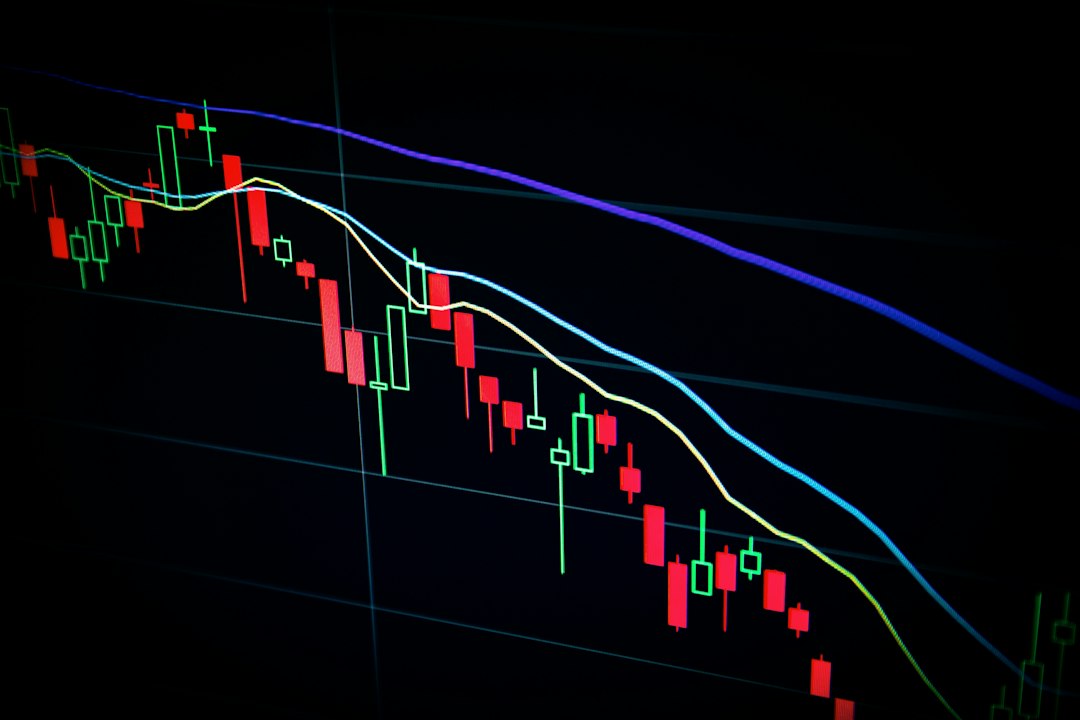
As of October 8, 2026, Arbitrum is trading around the $0.18-$0.19 mark. Technical analysis identifies immediate support levels at $0.1789, $0.1717, and $0.1610, according to classical pivot points. Conversely, key resistance levels for ARB are positioned at $0.1968, $0.2076, and $0.2148. Breaking above these resistance points would be a bullish signal, while a sustained fall below the immediate support could lead to further downside. The token is currently ranked 71st by market capitalization, sitting at roughly $1.25 billion.
From a technical indicator standpoint, the sentiment around ARB is presently mixed to bearish. On October 7, 2026, various analyses indicated a bearish outlook, with 17 technical signals leaning bearish against 14 signaling bullish. The Relative Strength Index (RSI) is hovering around 48.18, indicating a neutral position—neither overbought nor oversold. Moving averages show a mixed bag, with some short-term averages suggesting selling pressure, while the 50-day and 200-day moving averages on the four-hour timeframe have shown an upward slope since October 1, 2026, potentially reflecting a stronger underlying trend despite recent pullbacks.
Volume, On-Chain Signals, and Near-Term Catalysts
Recent on-chain data provides additional insights. On October 7, 2026, perpetual futures funding rates for ARB turned negative, indicating an increase in bearish speculation within the derivatives market. Despite this, no significant long or short liquidations were recorded across major exchanges during a particular one-hour period. This suggests that while sentiment is cautious, there wasn't a cascading effect of forced selling in that specific window.
Several catalysts could significantly influence ARB's price trajectory in the near term:
- Monthly Token Unlocks: Arbitrum has a recurring monthly token unlock schedule, with approximately 92.6 million ARB tokens (about 1.3% of the circulating supply) being released. The next major unlock event is anticipated around mid-October 2026, with an even larger unlock of approximately 139.15 million ARB (1.4% of total supply, 2% of market cap) specifically slated for October 23, 2026. These regular injections of supply can act as a persistent bearish headwind, introducing selling pressure into the market.
- USDG Stablecoin Integration and Proposal: Paxos recently launched its regulated stablecoin, USDG, natively on Arbitrum One on October 6, 2026. Concurrently, a governance proposal is underway to allocate 100 million ARB tokens (valued at roughly $18.7 million) from the treasury to the DRIP incentive program, aiming to boost USDG liquidity and adoption across the Arbitrum ecosystem. This vote is scheduled from October 29 to November 12, 2026, and a successful passing could significantly enhance the network's DeFi economy and demand for ARB.
- Ecosystem Expansion and Events: Arbitrum saw an expansion in tokenized equities with Enso and Stove Finance integrating access to U.S. and South Korean stocks on October 7, 2026. Furthermore, the Arbitrum Foundation launched a Dune Credit Program to enhance data analytics within its ecosystem. A notable community event, the Founder House Hackathon, is scheduled in Singapore from October 23-25, 2026, bringing together prominent teams like Robinhood and Paxos to foster innovation in tokenization and AI. These developments, while not immediately impacting price, build long-term value and utility for the Arbitrum network.
Bullish vs. Bearish Scenarios for ARB
The near-term outlook for ARB presents a delicate balance of bullish potential and bearish headwinds. A bullish scenario could unfold if the upcoming governance proposal to incentivize USDG stablecoin adoption passes, leading to increased activity and demand within the Arbitrum DeFi ecosystem. Strong participation and positive outcomes from the Founder House Hackathon could also generate renewed investor interest and highlight Arbitrum's growth potential. If ARB can decisively reclaim and hold above the $0.1968 resistance level, it could signal a reversal of the recent downtrend and target higher resistance zones.
Conversely, the primary bearish concern revolves around the ongoing monthly token unlocks. While the market has absorbed previous unlocks, the consistent supply increase, especially the larger release around October 23, 2026, could exert downward pressure if demand doesn't keep pace. A breakdown below the immediate support at $0.1789, particularly if coupled with negative broader market sentiment (like further Bitcoin ETF outflows), could see ARB retesting lower support levels towards $0.1717 or even $0.1610. Traders often monitor automated signal tools such as BlastSignals, which flag setups like this with a confidence score based on various technical indicators, providing an additional layer of insight into potential market movements.
FAQ
What is Arbitrum (ARB)?
Arbitrum (ARB) is the native cryptocurrency of Arbitrum, a leading Layer-2 scaling solution for Ethereum. It aims to improve Ethereum's transaction speed, cost-efficiency, and scalability by processing transactions off-chain, while still leveraging Ethereum's security.
How do traders interpret ARB's current technicals?
Traders are currently observing a mixed to bearish technical sentiment for ARB. While long-term moving averages show a positive slope, indicating an underlying uptrend, short-term indicators and recent price action suggest consolidation or potential further pullback. Key support and resistance levels are being closely watched for signs of a decisive move.
What are the main risks for ARB in the near term?
The primary near-term risk for ARB stems from its ongoing monthly token unlocks, which consistently add supply to the market and can create selling pressure. Broader cryptocurrency market downturns, regulatory uncertainties, and a lack of significant adoption for new ecosystem initiatives could also negatively impact its price.
Disclaimer: This content is for informational purposes only and not financial advice.