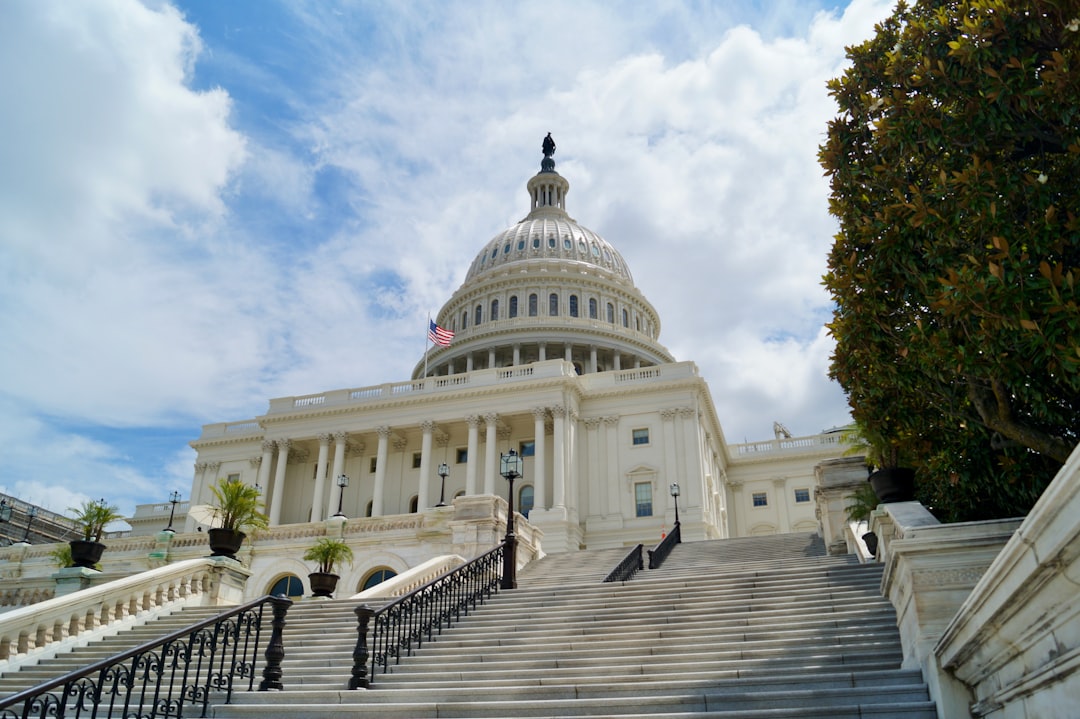
The United States crypto landscape is abuzz today as the Senate Banking Committee convenes to review more than 100 proposed amendments to the Digital Asset Market Structure and Investor Protection Act of 2026, widely known as the CLARITY Act. This pivotal session, occurring on May 14, 2026, could significantly shape the future of digital asset regulation in the U.S., with a particular focus on stablecoins and their classification. The outcome holds substantial implications for institutional adoption and the broader US CLARITY Act amendments crypto market impact, influencing investor sentiment and price action across major cryptocurrencies like Bitcoin (BTC) and Ethereum (ETH).
The CLARITY Act and Its Quest for Regulatory Certainty

The CLARITY Act aims to provide a comprehensive regulatory framework for digital assets, an area that has long been characterized by uncertainty in the U.S. Proponents argue that clear guidelines are essential to foster innovation, protect consumers, and encourage further institutional participation in the crypto market. The ongoing discussions reflect a significant shift in Washington, where crypto regulation is increasingly becoming a nonpartisan issue, with lawmakers recognizing the scale of innovation and investment entering the space. The bill's progression is seen as a critical step toward integrating digital assets more deeply into the traditional financial system, moving them away from purely speculative markets.
For active traders, the push for regulatory clarity could unlock new capital inflows. Analysts suggest that if the CLARITY Act advances through the Senate in May and is signed into law by President Donald Trump before the end of June, it could fuel a Bitcoin rally, potentially pushing BTC above the $100,000 mark. Conversely, delays into 2027 could reintroduce uncertainty, potentially weakening ETF demand and threatening Bitcoin's support levels around $80,000.
Key Amendments and Stablecoin Scrutiny
Among the multitude of amendments, the regulatory treatment of yield-bearing stablecoins has emerged as a primary point of contention. Senators Jack Reed and Tina Smith have proposed tighter restrictions on crypto assets that function similarly to traditional deposit accounts. This move is heavily backed by lobbying efforts from the American Bankers Association, which argues that allowing crypto issuers to distribute reserve-backed rewards threatens the traditional deposit base. The debate highlights the ongoing tension between traditional finance and the innovative models emerging in the decentralized finance (DeFi) space.
Additionally, Senator Elizabeth Warren alone has introduced over 40 distinct modifications, signaling intense scrutiny from Democratic lawmakers. The markup session will also consider ethical provisions, including a proposal by Senator Chris Van Hollen to bar senior government officials from holding crypto assets. These discussions underscore the complexity of integrating a novel asset class into existing financial and ethical frameworks, with potential long-term impacts on how stablecoins, such as USDT and USDC, are perceived and utilized within the U.S. market.
Navigating the US CLARITY Act Amendments Crypto Market Impact
The immediate US CLARITY Act amendments crypto market impact hinges on the committee's decisions. A clear, favorable regulatory outcome could act as a catalyst for renewed institutional investment across the digital asset spectrum. We've already seen significant institutional movement, with U.S. spot Bitcoin ETFs recording seven consecutive weeks of net inflows totaling approximately $3.4 billion, propelling BTC from around $68,000 to over $80,000. BlackRock's iShares Bitcoin Trust (IBIT) has been a significant driver, registering a $269.3 million single-day inflow during one of its strongest recent sessions. However, recent data from May 12, 2026, also showed outflows from some Bitcoin ETFs, including BlackRock's IBIT ($32.95M) and Fidelity's FBTC ($86.13M), indicating a nuanced and sometimes volatile response to market signals.
Beyond Bitcoin, regulatory clarity could also bolster confidence in other major assets like Ethereum (ETH). Wells Fargo, for instance, has notably increased its holdings in spot Ethereum ETFs, with its position in the iShares Ethereum Trust (ETHA) growing by 63.5% in Q1 2026. This move suggests a growing institutional appetite for ETH exposure, despite broader banking sector resistance to crypto legislation. However, the current structure of U.S. spot Ethereum ETFs, which were approved without staking integration, means holders miss out on potential yields, a factor that could influence investment decisions.
Traders should closely monitor the outcome of today's committee meeting for signals regarding the future regulatory environment. Increased clarity generally reduces perceived risk, potentially leading to higher trading volumes and more stable price discovery for whitelisted assets such as BTC, ETH, SOL, BNB, and XRP. Conversely, overly restrictive amendments, especially concerning stablecoins, could dampen market enthusiasm and introduce fresh volatility. Automated signal tools such as BlastSignals can flag setups like this with a confidence score, assisting traders in navigating these complex market shifts.
FAQ
What is the CLARITY Act?
The CLARITY Act, or the Digital Asset Market Structure and Investor Protection Act of 2026, is proposed U.S. legislation designed to create a clear regulatory framework for digital assets, aiming to provide certainty for crypto businesses and investors.
How could stablecoin regulation impact the crypto market?
Tighter regulations on yield-bearing stablecoins, as proposed in some amendments to the CLARITY Act, could affect their utility and adoption within the U.S. financial system. This might influence liquidity and trading strategies for stablecoin-paired assets, potentially impacting the broader market by altering how capital flows in and out of the crypto ecosystem.
What are the immediate price implications for Bitcoin from the CLARITY Act discussions?
The immediate price implications for Bitcoin are tied to investor sentiment surrounding regulatory certainty. While positive legislative progress could drive BTC towards higher resistance levels, delays or overly restrictive outcomes could lead to increased market uncertainty and potential price pullbacks, affecting crucial support zones like $79,500.
Disclaimer: This content is for informational purposes only and not financial advice.